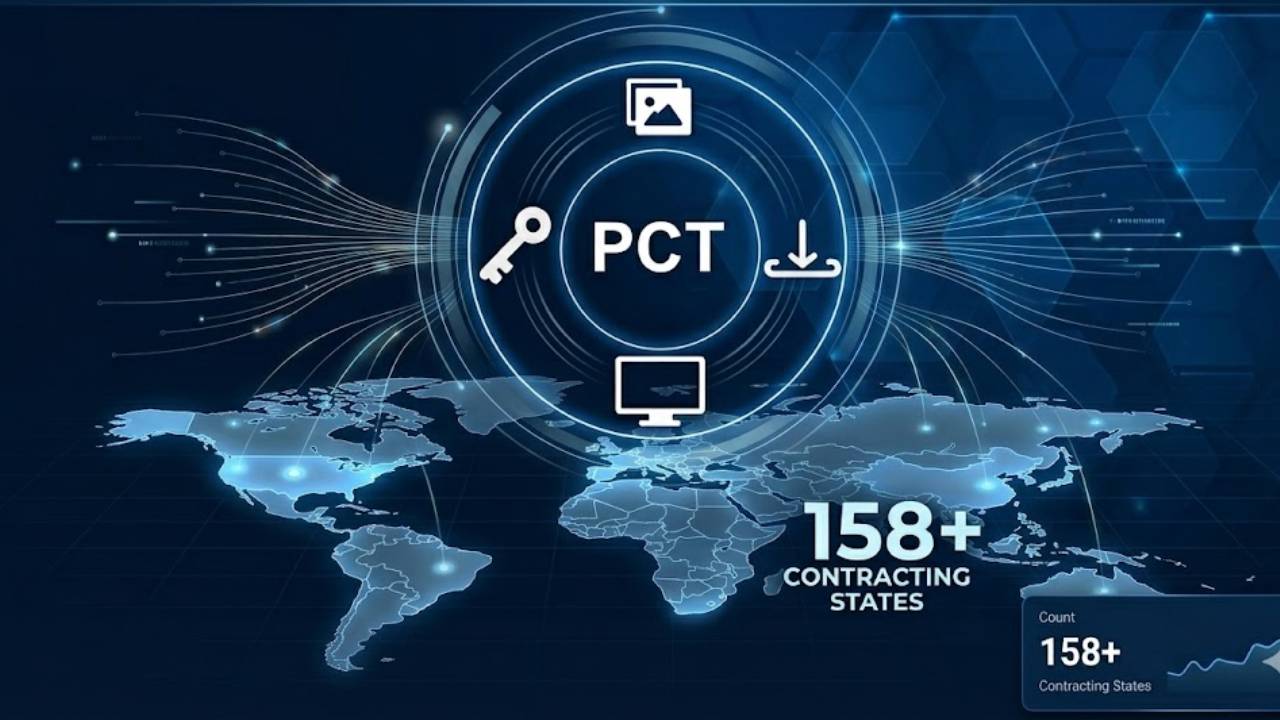
Innovators planning global expansion often ask how many countries covered under PCT protection can be included within a single application. The Patent Cooperation Treaty offers one of the most comprehensive international filing systems in the world. A single international application can potentially extend protection across a large network of participating nations. This broad geographical reach explains why multinational companies, research institutions, and technology startups rely on the system when entering global markets.
The treaty operates under the supervision of the World Intellectual Property Organization, which coordinates procedures among member states and ensures uniform standards. Understanding the number of countries covered under the PCT, along with practical limitations and strategic considerations, helps applicants design effective intellectual property strategies and allocate resources wisely.
This article explains the geographical scope of the PCT system, the legal meaning of coverage, and the factors influencing country selection. The discussion reflects insights commonly presented in authoritative government guidance and professional intellectual property resources.
Countries Covered Under PCT and Their Global Reach
The Patent Cooperation Treaty currently includes more than 150 contracting states. This means a single PCT application may potentially seek protection in nearly every major commercial market across the globe. Coverage extends across continents including Europe, Asia, North America, South America, Africa, and Oceania. Many of the world’s largest economies participate in the system, making it a central component of modern patent strategy.
Major participating jurisdictions include:
- United States
- India
- China
- Japan
- Germany
- Australia
Participation continues to expand as additional countries join the treaty. This global reach allows applicants to maintain flexibility when selecting markets for commercialisation. However, it is important to understand a key legal principle. A PCT application does not automatically grant patent rights in every member state. It simply preserves the option to seek protection in those jurisdictions during later stages of the process.
Understanding What “Coverage” Means in the PCT System
The term coverage often creates confusion among applicants. In the context of the Patent Cooperation Treaty, coverage refers to eligibility to pursue protection in member states rather than automatic legal rights. When an applicant files a PCT application, all contracting states are automatically designated unless specifically excluded. This automatic designation system simplifies the filing process and eliminates the need to identify individual countries at the initial stage.
Actual patent protection arises only after national phase entry. During this phase, each national patent office examines the application under domestic law and decides whether to grant a patent. This distinction between designation and protection remains fundamental to understanding the PCT framework.
Regional Patent Systems Within the PCT Network
Some member states participate in regional patent organisations. These organisations allow applicants to obtain protection across multiple countries through a single regional application.
Prominent regional systems include:
- European Patent Office
- African Regional Intellectual Property Organization
- Eurasian Patent Organization
Regional systems enhance efficiency by consolidating examination procedures and reducing administrative complexity. Applicants may choose regional protection instead of filing separate applications in each country within the region. This flexibility allows businesses to tailor patent strategies according to market size, manufacturing plans, and distribution networks.
Factors Influencing the Number of Countries Selected
Although more than 150 countries fall within the PCT framework, applicants rarely pursue protection in every jurisdiction. Strategic considerations determine which markets justify investment. Market demand represents one of the most important factors. Businesses typically focus on countries where products will be manufactured, sold, or licensed. Competitive activity also influences decisions. Filing in jurisdictions where competitors operate helps protect market share and maintain technological advantage.
Economic conditions play a role as well. Patent prosecution and maintenance costs vary significantly across countries. Applicants must balance potential revenue against long term expenses. Government guidance published by the Office of the Controller General of Patents, Designs and Trade Marks provides useful information on filing requirements and national procedures for applicants seeking protection in India.
Timeline for Selecting Countries Under the PCT System
One major advantage of the PCT framework involves extended decision timelines. Applicants do not need to select final countries immediately after filing the international application. Instead, the system provides approximately thirty months from the priority date before national phase entry becomes necessary. During this period, applicants may conduct market research, secure funding, and evaluate commercial prospects.
This extended timeline reduces financial risk and allows businesses to make informed decisions about international expansion. Early planning remains essential. Preparing translations, technical documents, and fee payments requires significant time and coordination.
Costs Associated With Filing in Multiple Countries
The number of countries selected directly affects total patent costs. Each jurisdiction requires payment of official fees, translation expenses, and professional service charges. Initial PCT filing costs remain relatively predictable. However, expenses increase during national phase entry as applications proceed in multiple countries simultaneously.
Applicants should therefore conduct financial planning before expanding patent coverage. Estimating long term maintenance fees and enforcement costs helps avoid unexpected financial pressure. For companies pursuing broad international protection, professional guidance during PCT International patent application filing helps ensure accurate budgeting and efficient allocation of resources.
Advantages of Broad Geographic Coverage Under the PCT
Extensive geographic coverage offers several strategic benefits for innovators and businesses. One major advantage involves market flexibility. Applicants retain the option to expand protection into new regions as business opportunities arise.
Another benefit involves investor confidence. A patent application covering multiple countries signals technological innovation and commercial potential. Investors often view broad coverage as evidence of long term growth prospects. Licensing opportunities also increase when protection extends across multiple jurisdictions. Companies may grant rights to partners in different regions while maintaining control over core technology. These advantages explain why the PCT system remains a preferred route for global patent protection.
Limitations of Seeking Protection in Too Many Countries
Although broad coverage offers flexibility, excessive expansion may create unnecessary financial and administrative burden. Maintaining patents in numerous jurisdictions requires payment of annual renewal fees and ongoing legal compliance. For small and medium enterprises, these costs may exceed expected revenue.
Enforcement challenges also increase with geographic expansion. Monitoring infringement across multiple countries requires significant legal resources and coordination. A focused approach often delivers better results. Selecting countries aligned with commercial objectives helps maximise return on investment while minimising operational complexity.
Role of National Patent Offices in Granting Protection
Each national patent office plays a critical role in determining whether an invention qualifies for protection within its jurisdiction. For example, the Indian Patent Office examines applications according to provisions of the Indian Patents Act. Similarly, the United States Patent and Trademark Office applies domestic legal standards when reviewing patent applications in the United States.
Even when applications originate from the same PCT filing, examination outcomes may differ among countries due to variations in legal interpretation and technical assessment. Applicants must therefore prepare for independent examination processes in each jurisdiction.
Strategic Planning for International Patent Coverage
Selecting appropriate countries requires careful analysis of commercial goals, manufacturing plans, and long term market strategy. Businesses entering global markets often prioritise jurisdictions with strong enforcement systems and stable economic conditions. Technology companies may focus on regions with high research activity and consumer demand.
Early consultation with experienced professionals helps align patent coverage with business expansion plans. Many organisations rely on a top-rated patent law firm in India to evaluate jurisdictional risks, manage deadlines, and coordinate filings across multiple countries. Strategic planning ensures intellectual property assets support sustainable growth and competitive advantage.
Future Expansion of the PCT Network
The global innovation landscape continues to evolve rapidly. Emerging economies increasingly recognise the value of intellectual property protection and seek participation in international frameworks. As more countries join the Patent Cooperation Treaty, the geographic reach of the system is expected to expand further. This trend will strengthen global cooperation and simplify cross border technology development.
Digital transformation also plays a significant role in improving efficiency. Electronic filing systems, online databases, and automated examination tools are reducing administrative barriers for applicants worldwide. These developments reinforce the importance of understanding the global scope of the PCT system.
Conclusion
The number of countries covered under PCT protection represents one of the system’s greatest strengths. With participation from more than 150 nations, the Patent Cooperation Treaty provides unmatched global reach for innovators seeking international protection. Yet effective patent strategy involves more than selecting as many countries as possible. Success depends on aligning geographic coverage with commercial objectives, financial capacity, and long term business plans. By understanding the scope of the PCT network and planning strategically, applicants can secure meaningful protection while maintaining sustainable growth in the global marketplace.
FREQUENTLY ASKED QUESTIONS (FAQS)
How many countries are covered under PCT?
The Patent Cooperation Treaty currently includes more than 150 member states across all major regions of the world.
Does filing a PCT application protect an invention in every country automatically?
No. The application preserves the right to seek protection. Actual patent rights arise only after national phase entry and examination by each country.
Can I choose specific countries after filing the PCT application?
Yes. Applicants usually select final countries during national phase entry, which occurs approximately thirty months after the priority date.
Are all countries in the world part of the PCT system?
Most major economies participate in the treaty, but a small number of countries remain outside the system.
Is it expensive to file in many countries under the PCT?
Costs increase with each additional country due to fees, translations, and maintenance expenses. Strategic planning helps manage expenses effectively.