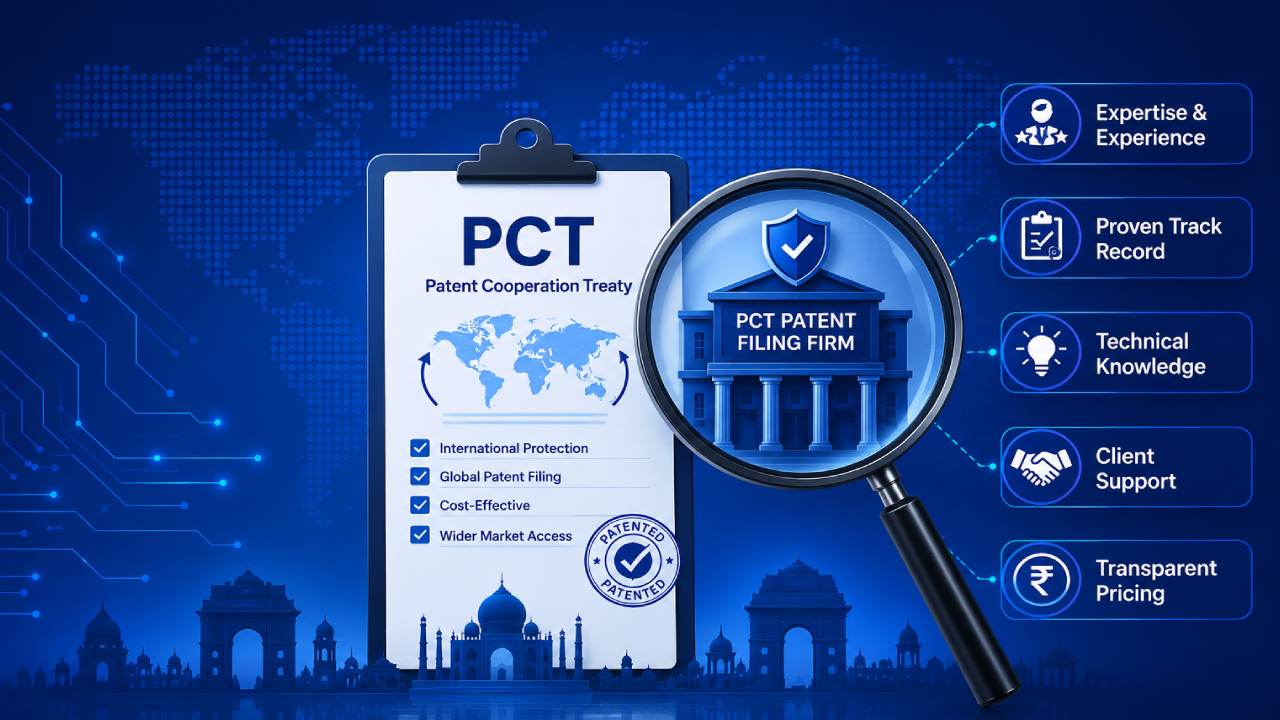
Introduction
Selecting the right legal partner remains one of the most important decisions for innovators seeking international patent protection. Businesses, startups, and research institutions often search for a reliable PCT patent filing firm in India to manage complex documentation, deadlines, and regulatory requirements. The quality of professional support can directly influence the strength of patent rights and the efficiency of the filing process.
India has developed a strong intellectual property ecosystem supported by skilled professionals and established regulatory institutions. The country handles a growing number of international applications across sectors such as technology, pharmaceuticals, engineering, and manufacturing. Guidance issued by authorities like the World Intellectual Property Organization and the Indian Patent Office emphasises professional competence, procedural accuracy, and ethical responsibility in international patent prosecution.
This article explains how to evaluate patent firms, understand their services, and select a reliable partner capable of supporting long term intellectual property strategy.
Understanding the Role of a Patent Filing Firm
A patent filing firm acts as the central coordinator for international patent applications. Its responsibilities include drafting technical specifications, conducting prior art searches, filing applications, and managing communication with patent authorities. International patent filing involves multiple stages, including preparation of documents, international search, examination, and national phase entry in selected jurisdictions. Each stage requires compliance with strict procedural rules.
Professional firms provide structured guidance throughout the process. Their expertise ensures consistency between technical descriptions and legal requirements. This coordination reduces administrative risk and improves the quality of the application. Applicants often rely on firms to interpret complex regulatory guidelines issued by organisations such as the World Intellectual Property Organization. Accurate interpretation of these rules remains essential for successful prosecution of international applications.
PCT Patent Filing Firm in India and Its Strategic Importance
Engaging a qualified firm becomes particularly important when filing under the Patent Cooperation Treaty. The treaty allows applicants to submit a single international application while seeking protection in multiple countries. However, each country examines the application independently based on domestic laws. A reliable firm manages the procedural timeline governing international applications. It monitors deadlines, prepares documentation, and coordinates responses to examination reports issued by patent offices.
Strategic guidance from experienced professionals helps applicants identify target markets and allocate resources efficiently. This planning ensures patent protection aligns with commercial goals and long term business expansion. The involvement of skilled professionals also strengthens confidence among investors and business partners. A well managed intellectual property portfolio demonstrates commitment to innovation and regulatory compliance.
Evaluating Professional Experience and Technical Expertise
Experience remains a key factor when selecting a patent filing firm. Firms with extensive experience handling international applications understand procedural requirements and examination standards in different jurisdictions. Technical expertise also plays a critical role. Patent drafting requires a deep understanding of scientific and engineering concepts. Firms employing professionals with specialised technical backgrounds can prepare clearer and more accurate specifications. Applicants should review the types of industries served by the firm. Experience in sectors such as biotechnology, electronics, or software development indicates familiarity with complex technologies. Professional history provides insight into the firm’s capability to manage challenging cases and deliver consistent results.
Importance of Regulatory Compliance and Accreditation
Patent filing firms must comply with legal and professional standards established by regulatory authorities. Accreditation ensures the firm operates within recognised ethical and procedural guidelines. Applicants can verify credentials through official databases maintained by the Indian Patent Office. These records confirm whether practitioners are authorised to represent clients before the patent office.
Compliance with regulatory standards protects applicants from procedural errors and ensures transparency in professional services. Firms adhering to recognised guidelines also maintain structured documentation practices, which improve accuracy and efficiency during the filing process.
Understanding the Scope of Services Provided
Patent filing firms offer comprehensive services designed to support the entire lifecycle of a patent application. Their work begins with evaluating the invention and assessing patentability. They conduct prior art searches to identify existing technologies and determine whether the invention meets novelty requirements. This research helps applicants refine claims and improve the chances of approval.
Drafting the patent specification represents another critical service. The specification defines the technical features and legal scope of protection. Clear drafting reduces ambiguity and strengthens enforceability after grant. Firms also manage communication with patent offices during examination and respond to objections raised by examiners. After grant, they assist with renewal payments and portfolio management. Many businesses engage a trusted PCT patent filing law firm to ensure consistent support throughout the patent lifecycle.
Communication and Client Support
Effective communication forms the foundation of a successful professional relationship. International patent filing involves coordination between inventors, legal professionals, translators, and foreign agents. Clear communication ensures accurate transmission of technical information and timely response to procedural requirements. Firms maintaining structured communication channels reduce the risk of misunderstandings and delays. Client support also includes regular updates on application status and upcoming deadlines. Transparent communication builds trust and allows applicants to make informed decisions during the prosecution process. Strong communication practices reflect professionalism and commitment to client service.
Evaluating Cost Transparency and Financial Planning
Cost remains an important consideration when selecting a patent filing firm. International patent protection involves multiple expenses, including drafting fees, filing charges, translation costs, and maintenance payments. Transparent pricing allows applicants to plan budgets effectively and avoid unexpected financial burdens. Firms providing detailed cost estimates demonstrate professionalism and accountability.
However, cost should not be the only factor in decision making. Choosing the lowest priced service without evaluating expertise may lead to procedural errors or weak patent protection. Investing in qualified professional support often reduces long term expenses by preventing costly mistakes and delays.
Importance of Global Network and International Coordination
International patent filing requires coordination with foreign patent agents in multiple jurisdictions. Firms with established global networks can manage cross border communication efficiently. These networks enable seamless exchange of technical information and ensure compliance with local laws in different countries. Strong international connections also improve response time during examination and reduce administrative delays. A firm capable of managing global coordination provides significant value to businesses seeking international expansion. Reliable international collaboration ensures consistent quality of documentation across jurisdictions.
Assessing Reputation and Client Feedback
Reputation reflects the reliability and professionalism of a patent filing firm. Positive client feedback indicates consistent performance and high quality service. Applicants should review testimonials, case studies, and professional recognition when evaluating potential partners. Independent reviews provide valuable insight into the firm’s ability to handle complex applications. Professional reputation also demonstrates ethical conduct and adherence to regulatory standards. Firms known for integrity and transparency build long term relationships with clients. Careful evaluation of reputation helps applicants identify trustworthy partners capable of managing valuable intellectual property assets.
Technology Infrastructure and Digital Filing Capability
Modern patent filing relies heavily on digital systems and electronic communication. Firms equipped with advanced technology infrastructure can manage documentation efficiently and maintain secure records. Electronic filing systems allow faster submission of applications and reduce administrative delays. Digital databases enable accurate tracking of deadlines and procedural requirements. Secure data management protects confidential information and ensures compliance with privacy regulations. Technology driven firms offer improved efficiency and reliability in handling international patent applications.
Long Term Support and Portfolio Management
International patent filing represents the beginning of a long term legal relationship. After grant, patents require regular maintenance and monitoring. Firms providing long term support assist with renewal payments, licensing agreements, and enforcement actions. Their guidance helps applicants maintain the value of intellectual property assets. Strategic portfolio management ensures alignment between patent protection and business growth. Businesses seeking continuous support often consult experienced patent registration lawyers in India to manage compliance and protect intellectual property across multiple jurisdictions.
Conclusion
Choosing the right patent filing firm remains a critical step in securing international protection for innovative ideas. A reliable PCT patent filing firm in India provides technical expertise, legal guidance, and strategic planning throughout the patent process. Professional support ensures accurate documentation, timely compliance with procedural requirements, and effective communication with patent authorities. These factors strengthen the quality of the application and improve the chances of successful patent approval.
Careful evaluation of experience, reputation, communication practices, and technological capability helps applicants identify trustworthy partners capable of managing complex international filings. In a competitive global environment, informed selection of a professional firm plays a vital role in protecting innovation and supporting long term business success.
FREQUENTLY ASKED QUESTIONS (FAQS)
What services does a PCT patent filing firm in India provide
Such firms offer prior art searches, drafting of patent specifications, filing of international applications, response to examination reports, and management of national phase entry in different countries.
How can applicants verify the credentials of a patent filing firm
Applicants can check registration records available through official databases maintained by the Indian Patent Office. These records confirm whether practitioners are authorised to represent clients.
Why is technical expertise important when selecting a patent firm
Technical knowledge helps professionals understand complex inventions and draft accurate claims. This improves the quality of the application and strengthens patent protection.
Is it necessary to hire a patent filing firm for international patent applications
While not mandatory, professional support reduces procedural risk and ensures compliance with legal requirements in multiple jurisdictions.