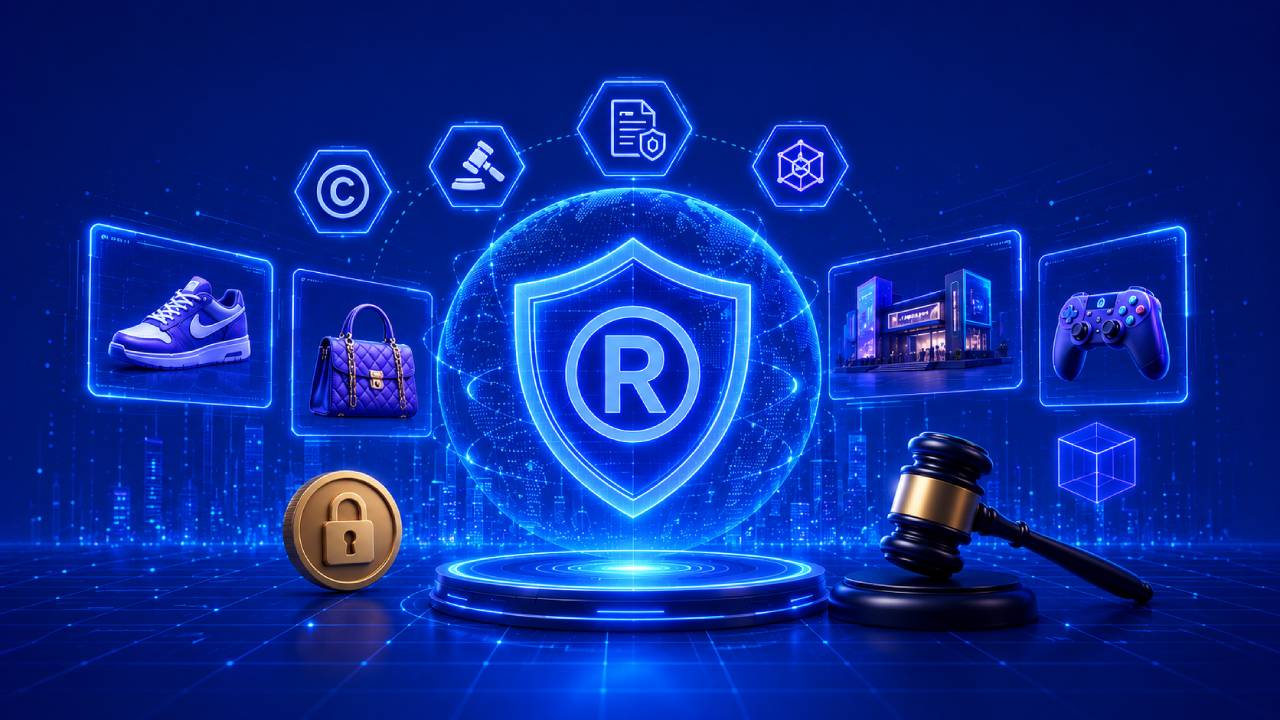
Intellectual Property Metaverse issues have rapidly moved from theoretical discussion to practical business concern. Indian companies across retail, entertainment, gaming, fashion, and financial services are entering immersive digital environments to expand brand presence and engage younger consumers. Virtual spaces allow businesses to create digital stores, launch branded experiences, and sell virtual goods. However, this new digital frontier introduces complex intellectual property risks involving trademarks, copyrights, digital assets, and brand identity.
The metaverse represents a convergence of technology, commerce, and creativity. As companies build virtual identities, they must protect brand value from misuse, counterfeiting, and unauthorised reproduction. Intellectual property law provides the legal framework necessary to safeguard digital assets and maintain consumer trust. For Indian businesses exploring virtual markets, understanding intellectual property challenges within the metaverse has become essential for sustainable growth and risk management.
Understanding the Metaverse and Its Commercial Potential
The metaverse refers to a persistent digital environment where users interact through avatars, digital assets, and immersive experiences. Businesses use these platforms to market products, provide services, and build brand communities. Virtual storefronts, digital fashion, and interactive events have become powerful tools for brand engagement.
Indian companies are increasingly investing in digital platforms to strengthen brand visibility and reach global audiences. Retail brands create virtual showrooms. Media companies host virtual concerts. Educational institutions conduct digital training programmes. Each activity involves intellectual property assets such as logos, designs, software, and creative content.
Government agencies have recognised the importance of digital innovation in economic development. Policy initiatives supporting digital transformation and emerging technologies are coordinated through the Ministry of Electronics and Information Technology. Businesses seeking official regulatory guidance can access information from this authority to understand compliance requirements related to digital commerce and online services. The commercial potential of the metaverse continues to expand as technology adoption increases. However, rapid innovation also creates legal uncertainty, particularly in relation to intellectual property rights and brand protection.
Intellectual Property Metaverse: Legal Foundations for Virtual Branding
Intellectual property protection in virtual environments relies on traditional legal principles adapted to digital contexts. Trademarks protect brand names, logos, and slogans used in virtual marketplaces. Copyright law safeguards digital artwork, music, software code, and multimedia content. Design protection covers visual elements such as product shapes and packaging.
In India, intellectual property registration and enforcement are administered by the Office of the Controller General of Patents, Designs and Trade Marks. Companies entering the metaverse must ensure existing trademarks and copyrights extend to digital goods and services. Failure to secure appropriate registration may expose brands to imitation or infringement.
Courts and regulators increasingly address disputes involving virtual assets. Legal recognition of digital property rights continues to evolve as businesses expand into online ecosystems. Intellectual property law therefore serves as the primary mechanism for protecting brand identity within virtual environments.
Trademark Challenges in Virtual Worlds
Trademark protection represents one of the most significant legal concerns for businesses operating in the metaverse. Virtual marketplaces allow third parties to create digital products using well known brand names or logos without authorisation. Such activities may mislead consumers and damage brand reputation.
For example, digital clothing or accessories featuring recognised trademarks can be sold as virtual goods without the consent of the brand owner. Consumers may assume these products originate from the official brand, leading to confusion and potential loss of trust.
Another challenge involves trademark classification. Traditional trademark registrations often cover physical goods and services. Companies expanding into virtual markets must update trademark registrations to include digital products, downloadable content, and online services.
Proactive trademark management reduces legal risk and strengthens brand protection. Businesses should monitor virtual platforms for unauthorised use of brand identity and initiate enforcement action when necessary. Regular legal audits help ensure intellectual property portfolios remain aligned with evolving digital business models.
Copyright and Digital Content Ownership in the Metaverse
Copyright protection plays a central role in safeguarding creative content within virtual environments. Digital artwork, virtual architecture, animation, and software code represent valuable intellectual property assets. These assets require legal protection to prevent copying, distribution, or modification without permission.
User generated content introduces additional complexity. Many metaverse platforms allow users to create and share digital content. Determining ownership rights for such content may involve contractual agreements, platform policies, and copyright law.
Indian businesses hosting virtual events or offering digital experiences must establish clear terms of use governing content ownership. Licensing agreements should specify rights related to reproduction, distribution, and commercial exploitation of digital material.
Copyright enforcement in virtual environments often requires technological solutions such as digital watermarking and content monitoring systems. Combining legal protection with technical safeguards enhances the effectiveness of intellectual property management.
Domain Names, Digital Assets, and Brand Identity
Domain names and digital assets represent critical components of brand identity in the metaverse. Businesses use domain names to establish online presence and direct customers to official platforms. Cyber squatting and domain misuse remain common risks, particularly for well known brands.
Virtual assets such as non fungible tokens, digital collectibles, and branded avatars also require legal protection. These assets often carry significant commercial value and may be traded across digital marketplaces. Intellectual property rights determine ownership, licensing conditions, and resale permissions for such assets.
Indian regulatory authorities continue to strengthen digital governance frameworks to address emerging risks. Cybersecurity guidelines issued by the Indian Computer Emergency Response Team provide recommendations for protecting digital infrastructure and preventing unauthorised access to online systems.
Effective management of digital assets requires coordinated legal and technical strategies. Businesses must maintain accurate records of intellectual property ownership and implement security measures to safeguard digital resources.
Enforcement Challenges in Cross Border Virtual Environments
The global nature of the metaverse creates jurisdictional challenges for intellectual property enforcement. Virtual platforms operate across multiple countries, making it difficult to identify applicable laws and regulatory authorities. A brand infringement occurring in one jurisdiction may affect consumers in several regions simultaneously.
International cooperation plays a vital role in resolving cross border intellectual property disputes. Treaties and collaborative enforcement mechanisms help coordinate legal action against online infringement. However, enforcement processes may still involve significant time and financial resources.
Indian companies expanding into global virtual markets must understand international intellectual property frameworks. Conducting legal risk assessments before launching digital products can prevent disputes and reduce compliance costs. Early planning also strengthens brand protection strategies and enhances consumer confidence.
Data Privacy and Consumer Protection Considerations
Branding in the metaverse involves extensive data collection related to user behaviour, preferences, and transactions. Businesses must comply with data protection laws to ensure responsible handling of personal information. Failure to protect user data may lead to legal liability and reputational damage.
Consumer protection regulations also apply to virtual transactions. Companies selling digital goods must provide accurate product descriptions, transparent pricing, and secure payment systems. Misleading advertising or fraudulent practices may attract regulatory penalties.
Government initiatives promoting digital trust and cybersecurity are coordinated through the National Informatics Centre. These initiatives support the development of secure digital infrastructure and responsible online business practices.
Integrating data privacy compliance into brand strategy strengthens customer confidence and reduces legal risk in virtual environments.
Strategic Importance of Intellectual Property Planning for Metaverse Branding
Successful entry into the metaverse requires careful intellectual property planning. Businesses must identify valuable brand assets, evaluate legal risks, and implement protective measures before launching virtual operations. Strategic planning reduces the likelihood of infringement disputes and enhances long term brand value. Intellectual property audits help companies assess existing registrations and determine whether additional protection is required. Updating trademark classifications, registering digital designs, and securing copyright protection for virtual content are essential steps in building a robust legal framework.
Companies seeking specialised legal advice often consult a best intellectual property lawyer in India to develop tailored strategies for brand protection in digital markets. Professional guidance ensures compliance with regulatory requirements and supports effective enforcement of intellectual property rights. Regular monitoring of virtual platforms also forms part of an effective intellectual property strategy. Businesses should track unauthorised use of brand assets and take prompt legal action to protect brand reputation.
The Role of International Collaboration in Virtual Brand Protection
The metaverse operates without geographical boundaries. Indian companies therefore interact with consumers, partners, and competitors from multiple jurisdictions. International collaboration becomes essential for protecting intellectual property rights in this environment. Global brand owners often participate in cross border licensing agreements and joint ventures to expand digital presence. These partnerships require clear legal frameworks defining ownership rights, revenue sharing arrangements, and dispute resolution mechanisms.
Engaging a global intellectual property law firm can provide valuable support for managing international trademark registration, licensing negotiations, and compliance with foreign regulations. Professional expertise helps businesses navigate complex legal landscapes and maintain consistent brand protection across global markets. As digital commerce continues to expand, international cooperation will remain a key factor in safeguarding intellectual property rights within virtual ecosystems.
Future Outlook for Intellectual Property in the Metaverse
The future of branding in virtual environments appears highly dynamic. Advancements in virtual reality, artificial intelligence, and blockchain technology will create new opportunities for digital commerce and consumer engagement. These technologies will also introduce new legal questions related to ownership, licensing, and liability. Regulators worldwide are developing policies to address emerging risks associated with digital assets and online platforms. India is expected to strengthen legal frameworks governing virtual transactions and intellectual property protection. Businesses that adopt proactive legal strategies will be better positioned to adapt to evolving regulatory requirements.
The growing integration of physical and digital markets suggests intellectual property will remain central to brand value in the metaverse. Companies investing in strong intellectual property management systems will gain competitive advantage and build long term consumer trust.
Conclusion
Branding in the metaverse represents a significant opportunity for Indian companies to expand market reach and strengthen customer engagement. However, the digital nature of virtual environments introduces complex intellectual property risks requiring careful management. Trademark protection, copyright enforcement, data privacy compliance, and international cooperation all play critical roles in safeguarding brand identity.
Understanding the legal framework governing intellectual property in virtual spaces enables businesses to operate confidently and responsibly. By integrating intellectual property strategy into digital business planning, companies can unlock the full potential of the metaverse while protecting valuable brand assets.
FREQUENTLY ASKED QUESTIONS (FAQS)
What is Intellectual Property Metaverse?
Intellectual Property Metaverse refers to the legal protection of trademarks, copyrights, digital assets, and brand identity within virtual environments and digital platforms.
Why is intellectual property important for businesses entering the metaverse?
Intellectual property protection prevents unauthorised use of brand assets, ensures legal ownership of digital content, and supports commercialisation of virtual products.
Can trademarks be registered for virtual goods in India?
Yes. Businesses can register trademarks covering digital goods, online services, and virtual products to protect brand identity in digital marketplaces.
What types of intellectual property are relevant in the metaverse?
Trademarks, copyrights, design rights, domain names, and digital assets such as virtual products and non fungible tokens are commonly protected forms of intellectual property.
How can companies prevent brand infringement in virtual environments?
Companies can monitor digital platforms, register trademarks for virtual goods, implement licensing agreements, and take legal action against unauthorised use of brand assets.