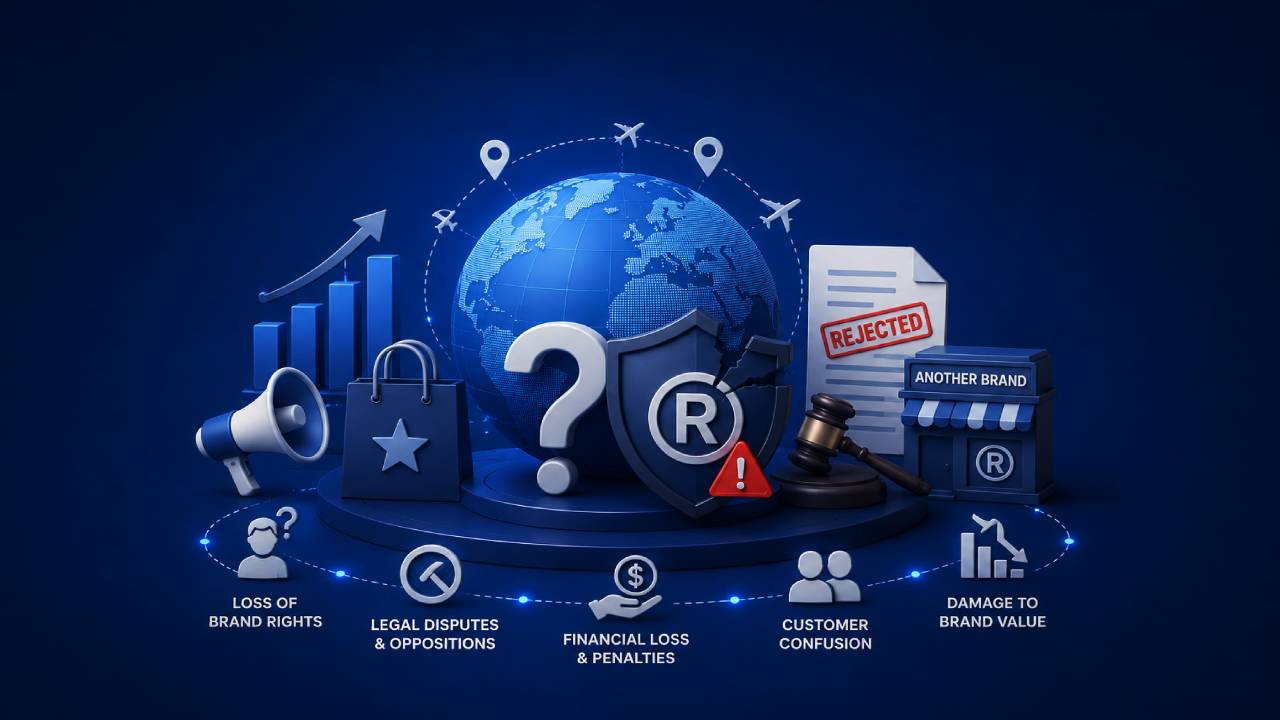
Global business expansion creates exciting opportunities for companies seeking new customers, increased revenue, and stronger market presence. However, many businesses focus heavily on growth while overlooking one critical area: trademark protection. Among the most significant Risks of Growing Internationally is building a successful brand in foreign markets without securing trademark rights. A brand may gain recognition, attract loyal customers, and generate substantial commercial value, yet remain vulnerable to legal disputes, infringement, and even loss of ownership in certain jurisdictions.
As international commerce continues to evolve, trademark protection has become an essential part of business strategy. Companies entering global markets without adequate trademark coverage often face unexpected challenges capable of disrupting expansion plans and damaging long term growth prospects.
Why Trademark Protection Matters in International Markets
A trademark is more than a business name or logo. It represents a company’s reputation, goodwill, and identity in the marketplace. Consumers rely on trademarks to identify products and services they trust. Many business owners assume a trademark registration obtained in their home country automatically protects their brand worldwide. In reality, trademark rights are generally territorial. Registration in one country rarely provides protection elsewhere. When a business becomes popular internationally without securing trademark rights in key markets, competitors or unrelated third parties may attempt to register identical or similar marks. This can create serious obstacles for future expansion and commercial operations. International trademark protection helps businesses maintain control over their brand while reducing exposure to legal and commercial risks.
Risks of Growing Internationally Without Trademark Coverage
The Risks of Growing Internationally become particularly significant when businesses establish market presence before securing intellectual property rights. Brand popularity often attracts attention from competitors, distributors, counterfeiters, and opportunistic third parties. Without trademark registration, a business may discover another party has already obtained rights to its brand name in a foreign jurisdiction. This situation can lead to costly legal proceedings, restrictions on product sales, and difficulties entering important markets. In some cases, businesses may even lose the ability to operate under their established brand name within specific countries. Rebranding efforts can be expensive and may undermine years of marketing investment. These risks demonstrate why trademark protection should form an essential part of any international growth strategy.
The Threat of Trademark Squatting
One of the most common problems faced by internationally growing businesses is trademark squatting. Trademark squatters monitor emerging brands and register trademarks before the legitimate business owner enters a particular market. Many jurisdictions operate under a first to file system, meaning registration often determines ownership rights. A company may invest years building brand recognition only to discover another party legally owns its trademark within a target country. Recovering these rights can require lengthy litigation and substantial financial resources. Trademark squatting has affected businesses of all sizes, from start ups to globally recognised corporations. The issue highlights the importance of proactive trademark registration before entering foreign markets.
Loss of Market Access
Trademark disputes can directly impact a company’s ability to operate internationally. If another party owns the trademark rights within a specific jurisdiction, the original brand owner may face restrictions on advertising, product distribution, and commercial activities. Customs authorities may also prevent the importation of products bearing disputed trademarks. This loss of market access can disrupt growth plans and create uncertainty for distributors, retailers, and business partners. For businesses relying on international sales, trademark related restrictions may significantly affect revenue and profitability. Early trademark registration helps reduce these risks and supports smoother market entry.
Increased Risk of Counterfeiting and Brand Misuse
A popular brand attracts attention from counterfeiters seeking to profit from consumer recognition. Without trademark protection, businesses may struggle to take effective legal action against counterfeit products or unauthorised use. Consumers may purchase imitation goods believing they originate from the genuine brand. Counterfeiting damages reputation, weakens customer trust, and may result in financial losses. It can also create safety concerns where counterfeit products fail to meet expected quality standards. Trademark registration provides stronger legal tools for addressing infringement and protecting brand integrity across international markets.
Damage to Brand Reputation
Reputation is often one of the most valuable assets a business possesses. Years of investment in marketing, customer service, and product development contribute to brand value. Unauthorised use of a trademark can damage this reputation. Third parties may offer poor quality products or services under a similar name, creating confusion among consumers. Negative experiences associated with unauthorised businesses can affect public perception of the legitimate brand. This reputational damage may be difficult and costly to reverse. Strong trademark protection helps preserve brand identity and supports consistent consumer experiences across different markets.
Challenges in Licensing and Franchising
Many businesses pursue international licensing and franchising as part of their expansion strategy. Potential franchisees and licensees often conduct intellectual property due diligence before entering commercial agreements. They seek assurance that trademark rights are secure and enforceable. Where trademark coverage is incomplete or absent, licensing opportunities may become less attractive. Commercial partners may perceive greater risk and hesitate to invest in brand development. Businesses planning international expansion frequently explore WIPO Madrid System services to streamline trademark protection across multiple jurisdictions and strengthen future licensing opportunities. Comprehensive trademark protection increases commercial confidence and supports sustainable growth.
Legal Costs and Business Disruption
Trademark disputes can become expensive. Businesses may incur substantial legal costs while challenging conflicting registrations or defending infringement claims. Litigation often requires significant management attention and may divert resources away from core business activities. Delays in market entry can also reduce competitive advantage. In certain cases, companies must negotiate settlements or purchase trademark rights from existing registrants. These costs can exceed the expense of obtaining trademark protection at an earlier stage. Preventive action is generally more cost effective than resolving disputes after problems arise.
Investor Concerns and Reduced Business Value
Investors increasingly recognise intellectual property as a critical business asset. Before providing funding, investors often review trademark portfolios and intellectual property strategies. A business operating internationally without adequate trademark coverage may appear vulnerable to legal and commercial risks. This perception can affect investment decisions and business valuation. Protected intellectual property demonstrates strategic planning and effective risk management. Conversely, gaps in trademark protection may raise concerns regarding future growth prospects. As businesses expand globally, trademark assets often become increasingly important components of overall enterprise value.
Government Resources for Trademark Protection
Businesses seeking information about trademark rights can access valuable guidance through official government and international organisations. The UK Intellectual Property Office provides resources covering trademark registration, enforcement, and intellectual property management. Companies pursuing international protection may also consult the World Intellectual Property Organization, which administers international trademark systems and provides guidance regarding global intellectual property protection. These resources support informed decision making and help businesses develop effective trademark strategies.
How Businesses Can Reduce International Trademark Risks
Businesses should approach trademark protection as a core component of international growth planning rather than an afterthought. Conducting trademark clearance searches before entering new markets helps identify potential conflicts. Early registration secures rights and reduces vulnerability to trademark squatters. Many businesses work with experienced trademark attorneys in india and international intellectual property professionals to develop protection strategies aligned with commercial objectives. A proactive approach helps safeguard brand value while supporting long term international expansion.
Conclusion
International growth presents significant opportunities, but it also introduces legal and commercial challenges. Among the most important Risks of Growing Internationally is allowing a brand to gain international recognition without securing appropriate trademark protection. Without trademark coverage, businesses may face squatting, infringement, counterfeiting, loss of market access, reputational harm, and costly legal disputes. These issues can undermine expansion efforts and affect long term profitability. By securing trademark rights early and developing a comprehensive intellectual property strategy, businesses can protect their brands, preserve commercial value, and build a stronger foundation for sustainable international growth.
FREQUENTLY ASKED QUESTIONS (FAQS)
What are the risks of growing internationally without trademark protection?
Businesses may face trademark squatting, infringement, counterfeiting, legal disputes, loss of market access, and damage to brand reputation.
Does a trademark registered in one country provide global protection?
No. Trademark rights are generally territorial and separate protection is usually required in other jurisdictions.
What is trademark squatting?
Trademark squatting occurs when a third party registers a trademark before the legitimate brand owner secures rights in a particular country.
Why is trademark protection important for international expansion?
Trademark protection helps preserve ownership rights, prevent infringement, and support market entry in foreign jurisdictions.